Key Generator Features for Extended Operation
When a generator needs to run for hours or days at a stretch, the features that matter are not the same ones that count for occasional backup use. Extended operation puts stress on every component, and a machine that works well for a short power outage may struggle during a multi-day event. The most important qualities to look for are fuel efficiency, reliable cooling, durable construction, and the ability to handle varying loads without damage.
Fuel Efficiency and Runtime
The single biggest cost during long operating periods is fuel. A generator that burns fuel quickly will require frequent refueling, which is inconvenient and risky when you are running equipment through the night or over a weekend. Look for models with an automatic idle control or a variable-speed engine. These systems reduce engine speed when the load is light, saving fuel and reducing noise. A generator with a large fuel tank also extends runtime, but fuel consumption per hour is what really determines how long you can go between refills.
Many portable generators list their runtime at half load. That number is useful for comparison, but real-world conditions often mean running closer to full load for part of the day. A machine that gives ten hours at half load may only give five or six at full load. Check the fuel consumption figures at different load levels if they are available. Some generators offer a "economy" or "eco" mode that automatically adjusts engine speed to match the load. This feature can cut fuel use by twenty to thirty percent during light-load periods, which adds up over a long run.
Cooling and Overheating Protection
Generators produce a lot of heat. Under continuous operation, the cooling system has to work harder than it does during short runs. Air-cooled generators rely on a steady flow of air over the engine and alternator. If the generator is placed in a tight space or near a wall, that airflow can be blocked, leading to overheating and shutdown. Look for a generator with a large, well-designed cooling fan and plenty of clearance around the unit. Some models include a high-temperature alarm or an automatic shutdown if the engine gets too hot. These are not just safety features; they protect your investment and prevent downtime.
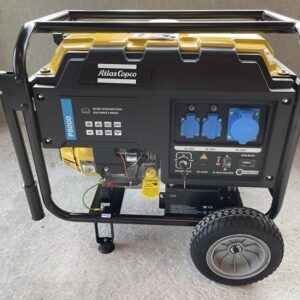
Liquid-cooled generators are less common in portable sizes, but they handle heat better during long runs. They use a radiator and coolant, similar to a car engine. If you expect to run the generator for days at a time, a liquid-cooled model may be worth the extra cost. It will maintain stable operating temperatures even under heavy load, and it usually lasts longer than an air-cooled unit under the same conditions.
Durable Construction and Vibration Dampening
Continuous operation shakes every part of a generator. Bolts can loosen, welds can crack, and panels can rattle. A generator built for extended use will have a heavy-duty steel frame, reinforced mounting points, and vibration isolators between the engine and the frame. These details are not obvious from a spec sheet, but they matter when the machine runs for a week straight. Look for models that mention "industrial-grade" or "continuous-duty" construction. They often have thicker sheet metal, larger bearings, and sealed control panels that keep out dust and moisture.
Vibration dampening is also important for noise. A generator that vibrates heavily will be louder and more annoying to be around for long periods. Rubber feet or isolation mounts reduce the transmission of vibration to the ground and the frame. Some generators include a sound-attenuating enclosure that wraps around the engine. These enclosures cut noise by several decibels, which makes a real difference when the generator is running through the night near a campsite or a job site.
Power Quality and Load Management
During extended operation, the loads you connect may change over time. A generator that cannot handle sudden load changes can cause voltage fluctuations that damage sensitive equipment. Inverter or inverter-based generators produce cleaner power, with less harmonic distortion. They are better for electronics, computers, and variable-speed motors. Conventional generators with a brushless alternator also produce acceptable power, but they may struggle with the starting current of large motors, like those in pumps or air conditioners.
A feature called "load bank" or "load management" allows the generator to handle a mix of loads without tripping breakers. Some generators have a built-in transfer switch that can automatically switch between utility power and generator power, but that is more relevant for standby installations. For portable use, a generator with multiple outlets and individual breakers gives you control over which circuits are active. You can start large loads one at a time to avoid a big surge that could stall the engine.
Maintenance and Serviceability
When a generator runs for many hours, routine maintenance becomes critical. Oil changes, air filter cleaning, and spark plug checks are needed more often. A generator that is easy to service will save you time and frustration. Look for a model with a drain plug that is easy to reach, a large oil fill cap, and a dipstick that you can read without a flashlight. Some generators have a maintenance minder that tracks engine hours and reminds you when service is due. That is a helpful feature for anyone who runs the machine for long stretches and might lose track of time.
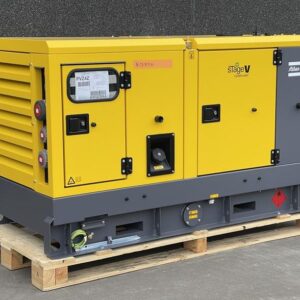
Access to the air filter and spark plug should be straightforward. On some generators, you have to remove half the side panel to reach the filter. That is a design flaw that makes routine care a chore. A well-designed generator will have a tool-less access panel or a hinged cover that opens easily.
Portability and Setup
Even for extended operation, you still need to move the generator into position and set it up. A wheel kit and a folding handle are standard on most portable models, but the quality of the wheels matters. Large, wide wheels roll over grass and gravel better than small ones. A generator that is too heavy to move easily will end up parked in a bad spot, which can cause cooling or ventilation problems. Look for a model with a sturdy frame and a lift point if you need to load it into a truck bed. Some generators have a built-in forklift pocket or lifting eyes, which are rare but very useful for job sites.
For long runs, you will also want a generator with a remote start or a wireless start kit. Standing next to a running generator to start it is fine for a quick check, but when you need to start it from inside a shelter or a control room, remote start is a real convenience. Some generators include a battery charger that keeps the starting battery topped off during operation, so you never come back to a dead battery.
Noise Level and Neighbors
Noise is a practical concern during extended operation. A generator that runs at 70 decibels at full load may be acceptable during the day, but at night it can disturb sleep and annoy nearby workers or campers. Look for a generator with a noise rating of 65 decibels or lower at full load. Some models include a muffler that meets the latest noise regulations. Inverter generators are generally quieter than conventional ones because the engine can run at lower speed when the load is light.
If you plan to run the generator for days at a time, consider a model with a sound-attenuating enclosure. These enclosures can reduce noise by 10 to 15 decibels, which is a noticeable improvement. They also protect the generator from weather and debris, which adds to the machine's longevity.
For anyone shopping for portable power equipment that will be used for long operating periods, the features above are the ones that separate a good generator from a great one. Fuel efficiency, cooling, durable construction, power quality, serviceability, portability, and noise level all play a role in how well the machine performs over many hours of continuous use. ePowerhouse LLC offers a range of industrial-grade generators and related equipment that are built for this kind of duty. Their inventory includes models with many of the features discussed here, making it easier to find a machine that matches your specific needs.
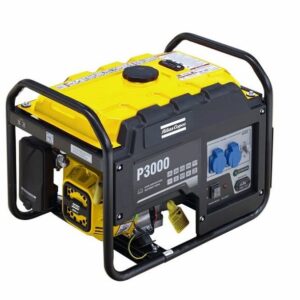
When you are comparing generators, spend time on the spec sheet and look beyond the peak power rating. A generator that lists a high surge wattage but has a small fuel tank and poor cooling will not serve you well during a long run. Instead, focus on the runtime at full load, the cooling system design, and the build quality. These factors determine whether the generator will still be running reliably on the third day of use.
Finally, remember that no generator is maintenance-free during extended operation. Plan for oil changes every 50 to 100 hours, check the air filter daily if the air is dusty, and keep spare spark plugs on hand. A generator that is easy to service will encourage you to do that maintenance, which in turn keeps the machine running longer and more reliably. ePowerhouse LLC stocks a variety of parts and accessories for their generators, so you can keep your equipment in top condition without hunting for hard-to-find components.